
Prevent a Burst Water Pipe: Essential Spring and Winter Tips for Homeowners
How to Avoid a Burst Water Pipe and Protect Your Home Year-Round
When you own a home in Canada, you are well acquainted with winter’s challenges—snow, ice, freezing temperatures, and the strain they put on our homes. But one of the most common and expensive issues is one you don’t always see coming: a burst water pipe.
When spring returns and you turn on your outside faucet for the first time, a weak trickle—or no water at all—can signal trouble. Instead of water flowing into your garden hose, it may be gushing into your walls, foundation, or crawlspace. And by the time the signs become obvious, the damage may already be significant.
Before you face an unexpected repair bill or a complicated insurance claim, a little proactive care makes a world of difference.
Key Takeaways
- Winter freezing is the leading cause of a burst water pipe in outdoor plumbing.
- Simple fall prep can prevent costly water damage in spring.
- Checking valves, hoses, and connections each season helps you spot issues early.
- When in doubt, bring in a qualified plumber to ensure your system is safe.
What Really Causes a Burst Water Pipe?
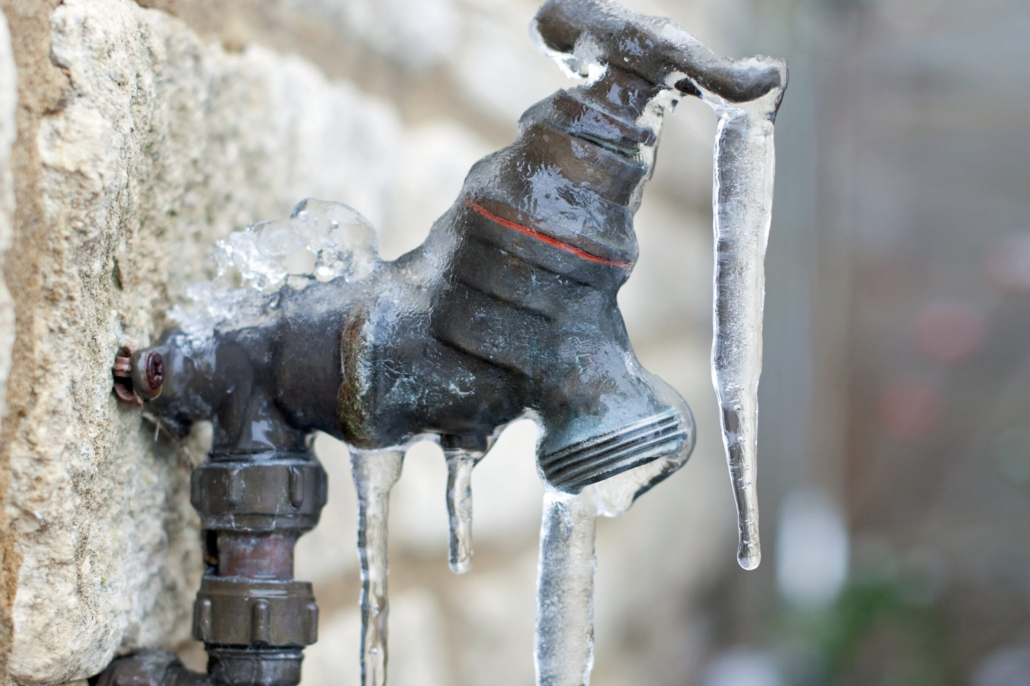
Canadian winters routinely bring temperatures cold enough to freeze trapped water inside outdoor plumbing lines—especially inside the hose bib (the exterior faucet on your home). Although your hose bib seems like a simple fixture, it’s directly connected to interior plumbing. When water in that line freezes, it expands, often cracking or rupturing the surrounding pipe.
The worst part? The break typically occurs behind your home’s exterior wall, where it isn’t visible. You may not notice anything unusual until spring, when melting ice or open valves send water into your home’s structure rather than out through the spigot.
Left untreated, a burst water pipe can lead to:
- Water pooling behind drywall
- Saturation of flooring and insulation
- Damage to personal belongings
- Structural issues
- Mould growth, which can pose serious health concerns
Fortunately, protecting your outdoor plumbing is straightforward once you know what to look for and when to take action.
Step One: Winterize Before the Freeze Hits
Protecting your hose bib and outdoor water lines should be part of your annual winter prep. Before temperatures drop below freezing, take these important steps to help prevent a burst water pipe.
1. Disconnect Your Garden Hose
Leaving a hose attached traps water inside the line. As temperatures fall, this trapped water expands—and that expansion is what causes pipes to rupture. Remove your hose entirely and store it indoors for the winter.
2. Shut Off the Interior Water Supply
Most homes have a dedicated interior shut-off valve leading to outdoor faucets. Turning this valve off stops water from entering the exterior line.
After shutting it off, go outside and open the outdoor faucet to let remaining water drain out.
3. Drain the Bleeder Valve
Inside your home, near the shut-off valve, you’ll usually find a small drain or bleeder cap. Remove or open this cap to allow any remaining water to escape the line.
Keep a small container or towel handy—this step often releases more water than expected.
Once drained, close the bleeder cap securely before winter settles in.
4. Confirm Whether You Have a Frost-Free Hose Bib
If your home lacks an indoor shut-off valve, you may rely on a frost-free hose bib to prevent freezing. These are designed to keep water away from the section of pipe exposed to the cold.
If you’re unsure what type you have, contacting a plumber is the safest option.
Step Two: Reopen Your Outdoor Water Line Safely in Spring
Once temperatures warm up, it’s time to restore water to your outdoor faucet. Doing this carefully helps you identify any signs of a burst water pipe before major damage occurs.
1. Make Sure the Exterior Faucet Is Turned Off
Before you turn on the water supply inside, ensure the faucet outside is fully closed. This prevents sudden surges of water through the line.
2. Locate and Open the Indoor Shut-Off Valve
Find the valve connected to your outdoor faucet and turn it on slowly to repressurize the line. If you have more than one exterior faucet, each one may have its own shut-off point.
3. Re-secure the Bleeder Cap
If you removed or loosened the drain cap for winter, reinstall it tightly. A loose bleeder cap can leak once the line is under pressure.
4. Check Carefully for Leaks
Before testing the faucet outside, inspect the indoor plumbing for any signs of moisture.
Look and listen for:
- Drips
- Unusual sounds
- Damp insulation
- Water where it shouldn’t be
If you notice any of these, turn the water off immediately and call a plumber—these are early signs of a burst water pipe.
5. Test the Faucet Outdoors
Turn the outdoor faucet on and watch the water flow. A strong, steady stream is ideal.
Weak pressure or sputtering could indicate a deeper plumbing issue.
Even if everything looks normal at first, do a second inspection after a few hours of use. Slow leaks can take time to reveal themselves.
When to Call a Professional
If you’re unfamiliar with your plumbing setup—or if your home is older—a licensed plumber can help ensure everything is winter-ready. A professional inspection is especially useful if you:
- Aren’t sure where your shut-off valves are
- Suspect past freezing issues
- Have difficulty accessing interior pipes
- Notice inconsistent water flow in the spring
Preventing water damage is always easier—and more affordable—than repairing it.
Preventing a Burst Water Pipe Protects More Than Your Home
A burst water pipe can lead to extensive structural damage and expensive repairs, not to mention disruption to daily life. But with proactive maintenance, seasonal inspections, and prompt action when something seems off, you can dramatically reduce your risk.
At Working Ventures Insurance, we see firsthand how quickly water damage can escalate. By taking these preventative steps, you’re not only protecting your property—you’re safeguarding your peace of mind.
Seasonal home care doesn’t need to be complicated. A few minutes of preparation before winter and a careful restart in spring can keep your plumbing working smoothly and help you avoid the costly headaches associated with a burst water pipe.
If you ever have questions about coverage related to water damage—or want to make sure your policy reflects your home’s unique needs—our team is here to help.