
Insurance for Cabins and Recreational Properties: What You Should Know
Insurance for Cabins and Recreational Properties in Kelowna and Across BC
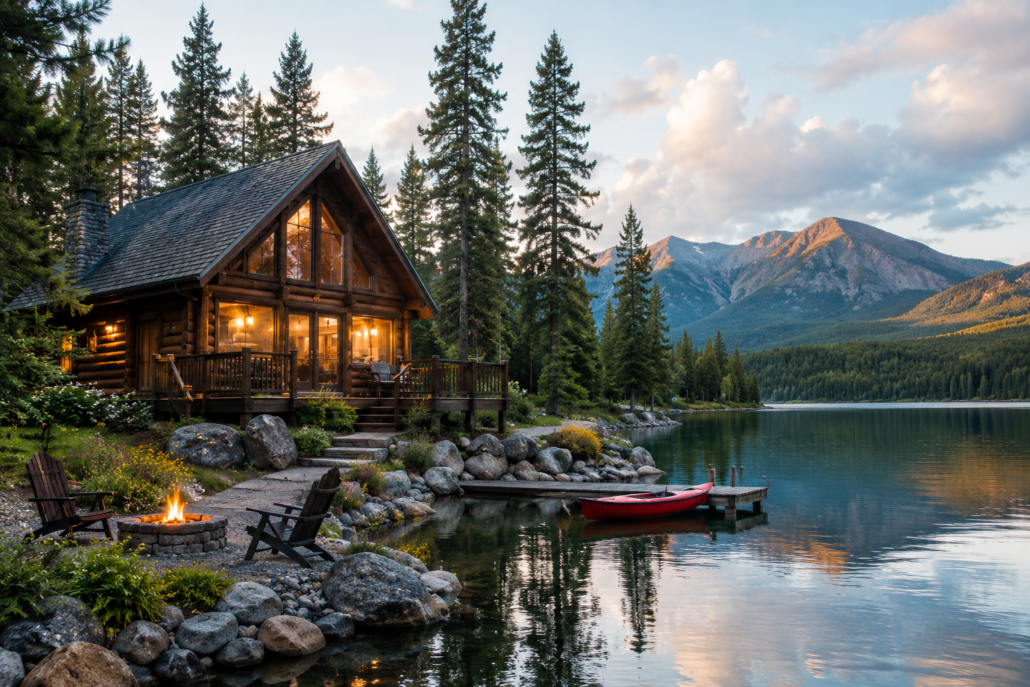
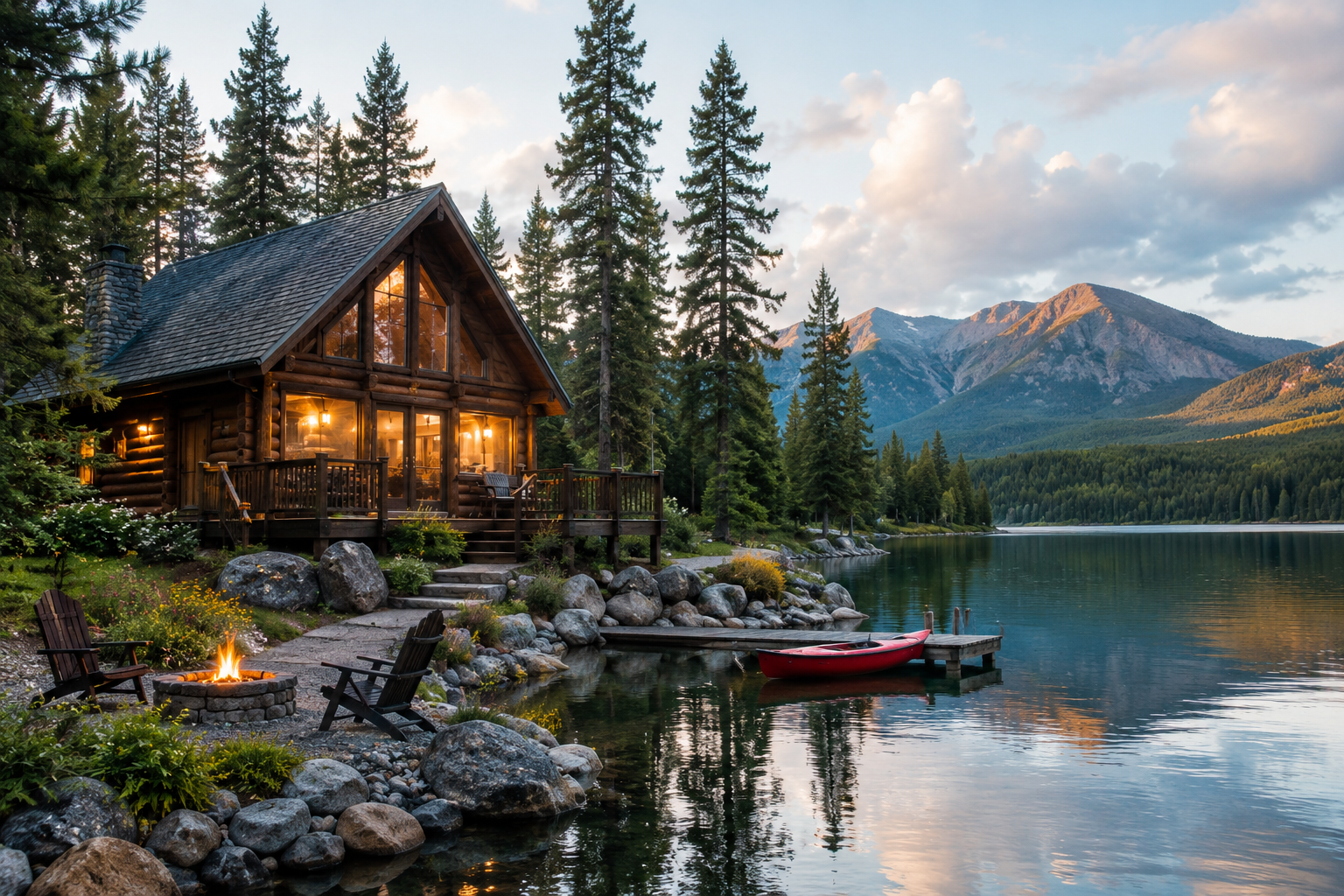
There’s something uniquely Canadian about owning a cabin. Maybe it’s a quiet lakefront retreat outside Kelowna. Maybe it’s a rustic family getaway tucked into the Kootenays. For some, it’s a ski chalet used on weekends each winter. For others, it’s a summer property filled with decades of memories. But while recreational properties offer freedom and escape, they also come with a different level of insurance risk. And that’s where many property owners get caught off guard. That’s why we want you to have all of the information you need about insurance for cabins and recreational properties.
A surprising number of people assume their cabin or seasonal property is automatically covered under their primary home insurance policy. In most cases, it isn’t. Even when some protection exists, the coverage is often limited — and sometimes dangerously inadequate for the realities of rural, seasonal, or part-time living.
We regularly help clients understand the unique considerations around insuring cabins, vacation homes, and recreational properties. Because protecting a second property isn’t quite as straightforward as insuring your primary residence.
In Short: What Makes Cabin Insurance Different?
Before diving deeper, here are a few key things cabin owners should know:
- Recreational properties usually require their own policy
- Seasonal occupancy creates different risks than year-round homes
- Water damage, wildfire, theft, and freezing claims are often treated differently
- Rental use can dramatically affect coverage eligibility
- Remote locations may increase premiums or restrict certain protections
- Standard home insurance policies may exclude vacant or unoccupied properties
The details matter more than many people realize.
Why Recreational Properties Carry Different Insurance Risks
Insurance companies assess risk based on probability and exposure. Cabins and recreational properties naturally create more uncertainty than full-time residences.
Why?
Because they often sit empty for extended periods.
A leak that would normally be caught within hours at your primary residence could go unnoticed for weeks at a cabin. Frozen pipes, break-ins, fallen trees, wildlife damage, or electrical issues can escalate significantly before anyone discovers them.
Location also matters.
Many recreational properties are:
- In rural or remote areas
- Far from fire halls or hydrants
- Surrounded by forest or wildfire-prone terrain
- Located near lakes, rivers, or flood zones
- Seasonal access only
All of these factors influence the types of insurance available. And their costs.
Is Your Cabin Considered Seasonal or Secondary?
This distinction matters more than most people think. Insurance companies often classify recreational properties into categories such as:
Seasonal Properties: Typically occupied only part of the year and not winterized for full-time use.
Secondary Homes: Used more regularly and often maintained similarly to a primary residence.
Short-Term Rental Properties: Cabins rented through Airbnb, VRBO, or similar platforms.
Each category comes with different underwriting requirements, pricing structures, and coverage limitations. A property used casually by family a few weekends a year presents a very different insurance profile than one rented weekly to vacation guests.
Water Damage Is One of the Biggest Concerns
If there’s one issue that consistently causes problems with recreational property claims, it’s water. Burst pipes. Frozen plumbing. Sewer backups.
Because cabins may sit vacant for extended periods, insurers often include strict conditions regarding winter maintenance and property checks.
Some policies require:
- Regular inspections during the winter months
- Heat to remain on at minimum temperatures
- Water systems to be fully drained if unoccupied
- Documentation proving someone checked the property
Miss one requirement, and a claim could become complicated. That’s why understanding the fine print matters.
Wildfire Risk Has Changed the Insurance Landscape in BC
Over the last several years, wildfire exposure has significantly reshaped property insurance across British Columbia. Cabins and recreational homes located near forests or rural terrain may face:
- Higher premiums
- Increased deductibles
- Coverage restrictions
- Additional underwriting reviews
Some insurers now require detailed information about:
- Defensible space around the property
- Roofing materials
- Exterior siding
- Access routes for emergency services
Properties that sit vacant during wildfire season may also raise additional concerns. This doesn’t mean coverage is unavailable, but it does mean proper planning is increasingly important.
Renting Out Your Cabin Changes Everything
Many cabin owners offset costs by occasionally renting their property. But this is where serious coverage gaps can happen. If you rent your cabin short-term without informing your insurer, there’s a risk your policy may not respond properly in the event of a claim.
And the exposure isn’t just about property damage. Rental use can introduce:
- Liability concerns
- Guest injuries
- Accidental damage
- Theft
- Increased wear and tear
- Commercial-use exclusions
Even occasional VRBO/Airbnb rentals should be disclosed.
The good news? Proper coverage options do exist. You simply want to ensure the policy reflects how the property is actually being used.
What Does Insurance for Cabins and Recreational Properties Typically Cover?
Coverage varies by insurer and property type, but policies often include protection for:
The Building Itself: Coverage for damage caused by insured events like fire, storms, or vandalism.
Detached Structures: Sheds, docks, garages, bunkhouses, or boathouses.
Personal Contents: Furniture, appliances, tools, sporting equipment, and seasonal belongings.
Liability Protection: Coverage if someone is injured on the property.
Additional Living Expenses: In some cases, temporary accommodation if the property becomes unusable after a covered loss.
However, coverage for certain risks — particularly water, freezing, vacancy, or rental activity — may have limitations or endorsements attached. That’s why cookie-cutter insurance rarely works well for recreational properties.
Older Cabins Often Need Special Attention
Many traditional cabins have a lot of charm and character. That’s part of the appeal. But older recreational properties can present insurance challenges if they contain:
- Outdated wiring
- Old plumbing
- Wood stoves
- Aging roofs
- Non-standard construction
- Seasonal water systems
Some insurers may require updates before offering full coverage. Others may insure the property with restrictions. Being proactive about maintenance can help improve both insurability and long-term costs.
Don’t Assume Market Value Equals Replacement Cost
This is another area where cabin owners sometimes misunderstand coverage. Insurance is generally based on rebuilding cost, not resale value.
A small rustic cabin in a desirable lakefront area may have a modest structure value but sit on highly valuable land. Conversely, rebuilding in a remote location can sometimes cost far more than owners expect due to transportation, labour shortages, and specialized trades.
Accurate replacement cost calculations matter. Especially in today’s construction environment.
Why Local Advice Matters
Insurance for recreational properties isn’t one-size-fits-all. Two cabins located only an hour apart can have completely different insurance needs depending on:
- Access
- Occupancy
- Construction type
- Rental activity
- Wildfire exposure
- Water systems
- Seasonal use
That’s why working with a broker who understands local recreational property risks can make a meaningful difference.
We help property owners navigate the complexities of cabin and recreational property insurance with practical, personalized guidance. Not just generic coverage.
Questions Cabin Owners Often Ask
Does my home insurance automatically cover my cabin? Usually not. Most recreational properties require a separate policy.
Can I insure a cabin that’s only used seasonally? Yes, although coverage terms may differ from full-time residences.
Do I need to tell my insurer if I rent the property occasionally? Absolutely. Even occasional short-term rentals can affect coverage eligibility.
Are cabins harder to insure in wildfire-prone areas? In some cases, yes. Insurers may apply stricter underwriting or higher premiums depending on location and risk exposure.
What if my cabin sits vacant during winter? Most insurers have specific vacancy or inspection requirements that must be followed to maintain coverage.
Protect Your Escape
Cabins and recreational properties aren’t just buildings. They’re where families gather, traditions continue, and memories get made. But they also come with unique risks that deserve thoughtful protection.
If you own, or are considering purchasing, a recreational property in BC, it’s worth reviewing your coverage carefully before assuming you’re protected. We help cabin and recreational property owners understand exactly what they have, where gaps may exist, and how to build coverage that fits the way the property is actually used.
Ready to Review Your Cabin or Recreational Property Coverage?
No matter the kind of property you own, our team can help you explore insurance options tailored to your needs. CONTACT US TODAY to review your coverage options and help ensure your recreational property is protected for every season ahead.