
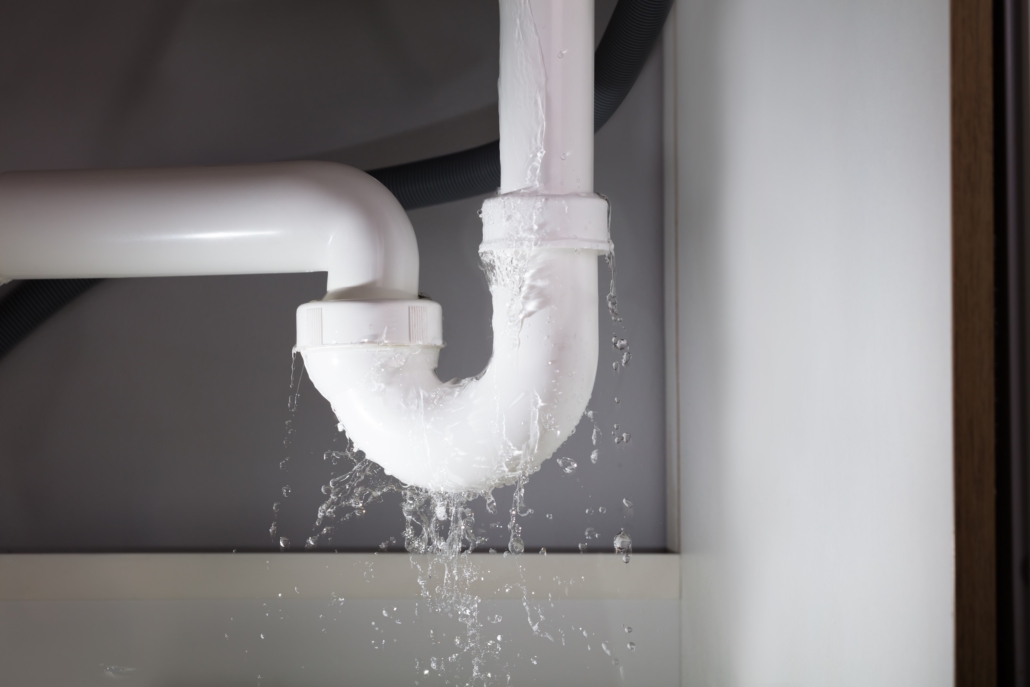
7 Essential Steps to Create a Water Leak Plan for Your Home
How to protect your property with a proactive and effective water leak plan
Water damage is one of the most common — and most expensive — types of property loss in Canada. We see firsthand how a minor drip can quickly turn into a major claim. A leaking tap, aging appliance, frozen pipe, or overflowing toilet may look small at first, but without a clear water leak plan, it can cause thousands of dollars in damage within minutes.
Having a fire escape plan is standard for most households. Yet surprisingly few homeowners prepare an emergency response plan for water. With water-related losses on the rise due to aging infrastructure, extreme weather, and everyday domestic accidents, the need for a comprehensive water leak plan has never been greater.
Quick FAQs
What is a water leak plan?
A step-by-step checklist outlining how to prevent, identify, and respond to unexpected water leaks in your home.
Why do I need one?
Because fast action minimizes damage. A well-prepared plan can prevent thousands in repairs, reduce stress, and help avoid insurance complications.
Is prevention part of the plan?
Absolutely. A strong water leak plan includes routine maintenance and upgrades that reduce your risk long before a leak occurs.
Why a Water Leak Plan Is Essential
Water damage doesn’t wait for you to be ready, and it certainly doesn’t wait for business hours. It can strike while you’re sleeping, cooking, away on vacation, or even standing right there in the room. Frozen pipes, cracked hoses, aged appliances, corrosion, or even a child who forgets to turn off the tap — these everyday issues create some of the most frequent and highest-severity insurance claims.
As your trusted insurance brokerage, we want to help you protect your home before anything goes wrong. Below are the seven core components every homeowner should include in their personalized water leak plan.
1. Know Your Water Shut-Off Valves
The single most important step in your plan is knowing how to turn the water off — fast.
Find & label your main shut-off valve
Most homeowners know they should know where it is… but many don’t. Your main valve may be:
- In the basement
- Behind a panel
- Near the water meter
- In a crawlspace
Mark it clearly so anyone in the household can find it in seconds.
Know your local shut-off valves
Toilets, sinks, dishwashers, and washing machines all have their own valves. Make sure:
- They’re visible and accessible (not blocked by décor or storage)
- The knobs turn properly
- You test them periodically
Old valves can seize, corrode, or crumble — and if you can’t shut the water off in an emergency, damage escalates quickly.
2. Understand Your Home’s Plumbing System
Not all pipes are created equal. Older plumbing systems often hide risks behind walls, floors, and cabinets.
Pipes exposed to cold? A major leak risk.
If your bathroom or kitchen plumbing runs along an exterior wall with poor insulation, pipes can freeze and burst during cold snaps.
Outdoor faucets:
Upgrade to frost-proof taps and use a dedicated shut-off valve in winter.
Check for outdated or at-risk materials
Some materials need replacement sooner than others — especially Poly B (polybutylene), which is known for its high failure rate.
Inspect for corrosion
Look for:
- White mineral flakes
- Rust
- Moisture beneath sinks
These are early signs of a brewing leak.
3. Monitor Aging Appliances
Dishwashers, fridges with water lines, and especially washing machines are common culprits of household flooding. Even well-maintained appliances have shorter lifespans than many homeowners realize.
Replace vulnerable hoses
Rubber washing machine hoses often fail without warning. Upgrade to steel-braided versions and replace them every 3–5 years.
Look for warning signs:
- Moisture around the base
- Rust spots
- White deposits on fittings
If you notice anything unusual, address it before it becomes a bigger problem.
4. Install an Automatic Water Shut-Off Valve
Smart technology is one of the best investments you can make in your home’s protection strategy.
A smart valve:
- Detects continuous leaks or ruptures
- Shuts off the main water supply automatically
- Can send alerts to your phone
- Integrates with smart-home systems like Google Home or Alexa
Many systems are surprisingly affordable and easy to install — some even attach to your existing valve without plumbing alterations.
If you already have a home monitoring service (security system), ask if they offer water sensors. The monitoring cost is often included in your existing plan.
5. Build a Water Leak Emergency Response Checklist
Once a leak begins, every second counts. Your water leak plan should include exactly what to do — and in what order.
Your emergency checklist should include:
- Shut off main or local water valve
- Unplug electrical appliances if safe to do so
- Move valuables, furniture, electronics out of the affected area
- Capture photos or video for insurance documentation
- Call your plumber immediately
- Call your insurance broker if significant damage is present
Make sure every adult and teenager in the home knows this process. If you have children, walk them through where the shut-off valves are and what to do if they see water pooling.
6. Plan for Travel & Extended Absences
If you’ll be away for more than seven days, the Insurance Bureau of Canada requires someone to check your home regularly — especially in winter. Failure to do so may jeopardize your coverage.
Before leaving:
- Shut off your main water valve
- Drain outdoor lines
- Have a trusted neighbour, friend, or caretaker check inside
- Notify your insurance broker if you’ll be away for an extended period
A simple winter checklist can prevent major losses while you’re gone.
7. Review Your Coverage & Update Your Policy
When you upgrade appliances, repair plumbing, or add smart leak-detection systems, your insurance needs may change. Your home insurance should reflect your current property condition — not what it looked like 10 years ago.
A quick policy review helps ensure:
- You have adequate water damage protection
- Your upgrades are documented
- You’re not exposed to preventable coverage gaps
We’re always happy to discuss options tailored to your home.
Protect Your Home With a Strong Water Leak Plan
A water leak doesn’t have to be a crisis. With preparation, maintenance, and a well-organized plan, you can significantly reduce the risk of major damage. The key is to take action before a leak happens — not after.
If you’ve completed upgrades, replaced appliances, or want advice on improving your water leak plan, reach out to our team. We’re here to help ensure your coverage is complete, up to date, and ready for anything.
Your home is one of your most important investments — let’s protect it together. Get in touch if you have any questions or would like a review of your home policy.